
AI and Machine Learning: Transforming Physical Security
As businesses seek to do more with less, artificial intelligence (AI) and machine learning (ML) are stepping up. They are changing many industries, including physical security. These technologies are no longer just science fiction. They are now important tools for security integrators, helping these professionals offer better, faster and more complete solutions.
“AI or machine learning will continue to grow, becoming one of the biggest areas integrators can leverage and embrace to drive growth opportunities,” says Brian James, Vice President of Sales at ScanSource. “Businesses are looking for ways to do more with less. Utilizing tools for predictive analytics or business intelligence can enhance what we do in security beyond just that of risk mitigation. Those who embrace technology and sell the solution beyond security can have the greatest success.”
AI and ML offer substantial growth opportunities for physical security professionals in particular. A recent report says the AI security market will grow from $8.8 billion in 2020 to $24.6 billion by 2025. This is a growth rate of 23.6% each year.
This growth signals a significant shift toward technology-driven security solutions. Integrators embracing AI and ML can harness these technologies to not only detect and mitigate risks but to transform their approach to security altogether.
One of the primary benefits of AI and ML is their ability to analyze vast amounts of data in real time. Traditional security systems depend a lot on human operators to watch and understand data. This can cause slow responses or missed threats.
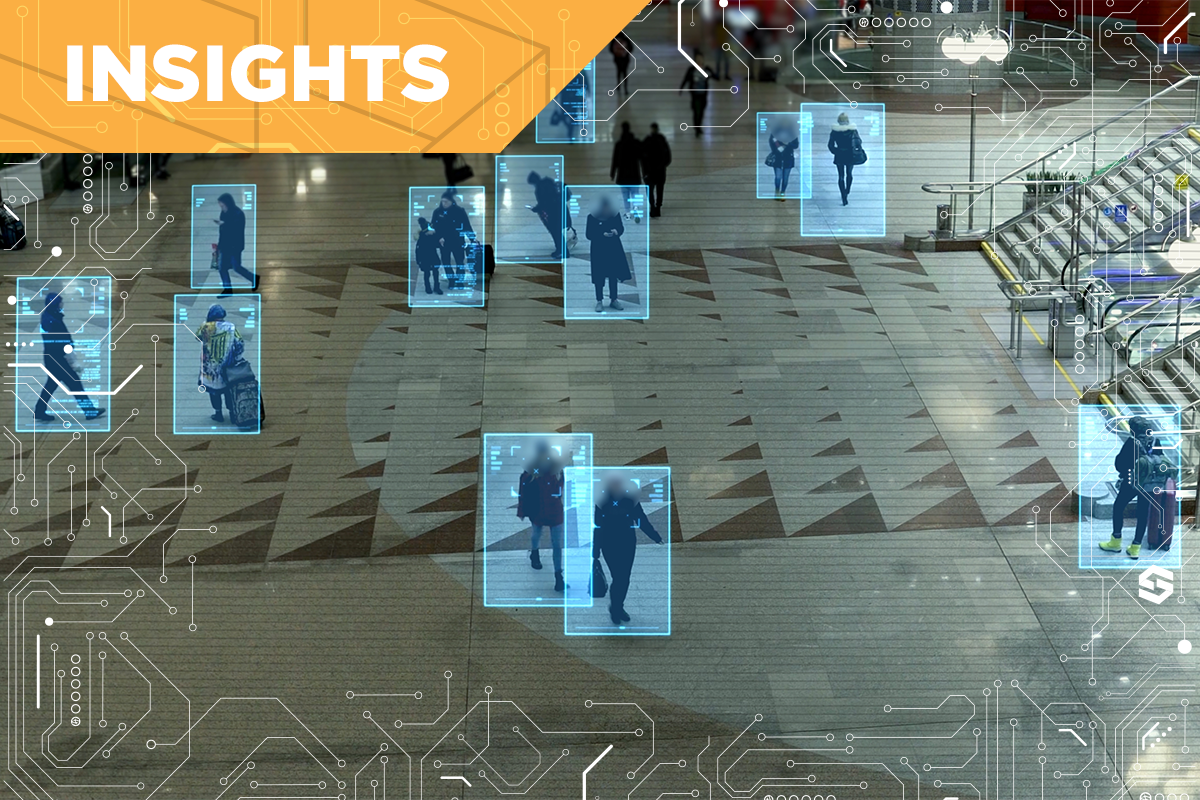
AI and ML can constantly scan video feeds, sensor data, and other inputs, finding patterns and unusual things that the human eye might overlook. Whether it’s recognizing unusual behavior in surveillance footage or detecting unauthorized access in a secured area, these technologies can provide security teams with a higher level of situational awareness.
Predictive analytics: A game changer for threat detection
AI-driven predictive analytics is one of the most promising applications for physical security. By analyzing historical data, AI can predict potential threats or security breaches before they happen. This proactive approach helps businesses act before an incident escalates, preventing costly damage or loss.
AI can predict where a security breach might occur. This helps security teams focus their resources on high-risk areas.
In addition to analyzing data and predicting potential risks, AI and ML are enabling automated responses to security threats. For example, programmers can now design security systems to automatically lock doors, alert security personnel, or trigger alarms when they detect a threat.
These automated responses reduce the need for human intervention, allowing businesses to act swiftly and decisively. Moreover, AI systems can learn from past incidents, improving their decision-making capabilities over time.
The future of AI and Machine Learning in security
The potential applications of AI and ML in physical security are vast, and the technology is only going to improve. With the integration of AI-driven video analytics, facial recognition, and smart sensors, security solutions will become even more sophisticated. The industry is also seeing an uptick in the development of “smart” security solutions that leverage IoT (Internet of Things) devices, creating a more interconnected and intelligent security ecosystem.
As Brian James points out, those who embrace AI and ML technologies will not only enhance security measures but can also drive growth in their businesses. “Utilizing tools for predictive analytics or business intelligence can enhance what we do in security beyond just that of risk mitigation,” James explains.
The future of physical security is about leveraging technology to do more—more efficiently, more proactively, and more intelligently.
If you’re interested in learning more about AI or machine learning solutions for your physical security business, reach out to your ScanSource rep today.